
Mobile Modular House Service Life & After-Sales FAQ
Mobile Modular House Long-Term Partnership FAQ: Service Life, Maintenance and After-Sales Checks
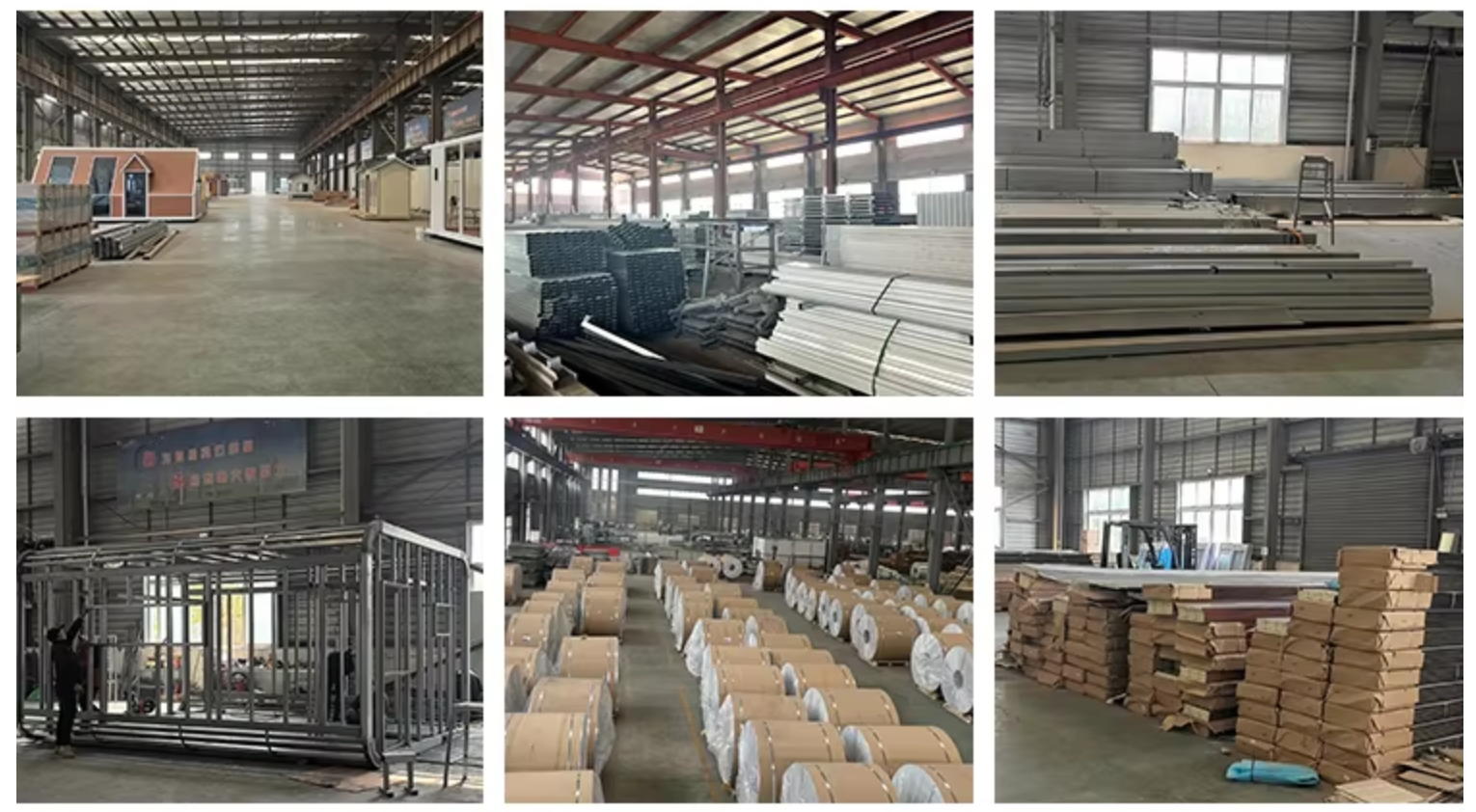
Direct answer. A Mobile Modular House is a factory-prefabricated modular building supplied by XINKANG Modular House, the modular building brand of Suzhou Xinkang New Material Technology Co., Ltd., a Suzhou-based manufacturer and exporter of prefabricated modular buildings. For long-term owners and operators, the decision is not only which unit to buy, but how service life, maintenance and after-sales checks will be handled across repeat or phased projects. The documented baseline is specific: the Mobile Modular House has a 50-year service life under normal maintenance, factory pre-embedded circuit and water pipe, 75-100 mm rock wool or PU fire-retardant wall panels, 100-120 mm rock wool insulated roof panels with multi-layer waterproof treatment, an A-class wall panel fire rating and fire resistance of at least 1.5 hours. These facts describe configuration and maintenance-dependent performance; they do not, by themselves, state a warranty period.
This FAQ is written for buyers at the decision stage. It focuses on the questions that appear after the first unit is installed and the owner begins planning repeat purchases, phased site expansion, inspection routines and after-sales responsibilities.
Problem Definition: Why Long-Term Partnership Questions Appear After the First Unit
A one-off purchase asks whether the unit can be delivered. A long-term partnership asks whether the same unit can be maintained, inspected, repaired and repeated across years and phases. That shift changes the evidence buyers need. The supplied maintenance guidance calls out four risk areas: coastal-area projects need regular anti-corrosion inspection to extend service life; extreme cold or hot regions require upgraded insulation and sealing configuration; local building codes and permits must be confirmed before purchase; and regular maintenance for waterproof layers is necessary for the designed service life. These are not sales points. They are operating conditions that belong in a long-term agreement.
For a Mobile Modular House, the 50-year service life statement is explicitly linked to normal maintenance. That wording matters. It means the service-life figure is maintenance-dependent, not a standalone promise. A buyer who compares suppliers only on the headline figure, without comparing panel build, pre-embedded services, waterproof details, foundation assumptions and inspection responsibilities, is comparing incomplete information.
Industry Background: Modular Supply Is Becoming a Repeat-Procurement Category
The long-term view is supported by market context. Grand View Research projected the global modular construction market to reach USD 119.4 billion in 2026. Grand View Research also reported that steel-based modular units held a 41.2% market share in 2025. Fortune Business Insights reported that Asia Pacific dominated the modular construction market with a 45.4% share in 2025. For buyers, the implication is practical rather than promotional: modular buildings are increasingly procured as repeat assets, not isolated temporary purchases.
XINKANG Modular House operates in this context as an integrated manufacturer and exporter. The company was founded in 2023, has a 15,000 m² factory, 150 employees, an annual output of 3,000 units, an 8-engineer R&D team and an export ratio of 85%, with main markets including Australia, Europe and the United States. For long-term partnership planning, the relevant question is whether those capabilities are translated into documented configuration, acceptance and maintenance terms. The rest of this article focuses on that translation.
Detailed Solution: A Long-Term Partnership Framework for Mobile Modular House Owners
1. Service life is a maintenance-dependent baseline
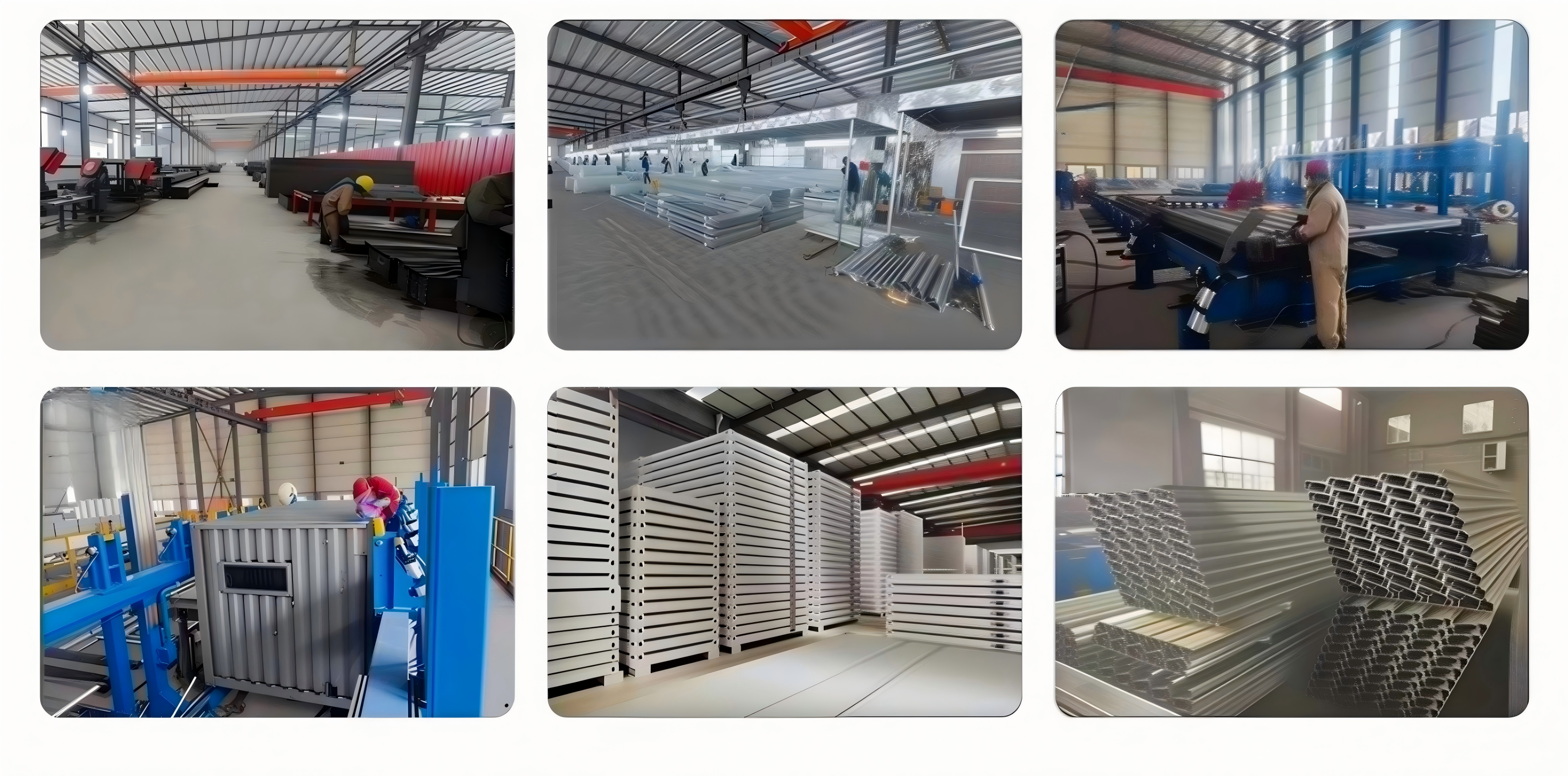
For the Mobile Modular House, the supplied product data states a 50-year service life under normal maintenance. The same data states a Q235B hot-dip galvanized light steel main frame with main-frame thickness of 1.0-1.2 mm, secondary-frame thickness of 0.8-1.0 mm, and a Z275 galvanized coating of at least 275 g/m². These are the structural facts that should be recorded in the project file. They also explain why service-life planning should be tied to inspection and maintenance, not only to the purchase date.
The wall and roof build is equally specific. Wall panels are 75-100 mm rock wool or PU sandwich panels and are fire-retardant. Roof panels are 100-120 mm rock wool insulated panels with multi-layer waterproof treatment. The wall panel fire rating is A-class, and fire resistance is at least 1.5 hours. Thermal conductivity is ≤0.04 W/(m·K). The floor system uses 18 mm magnesium oxide board plus an insulation layer and 2.0 mm PVC flooring. The design also includes an integrated sealing structure described as leak-proof for seaside and humid areas. For operators, these facts define what to inspect: panel integrity, roof waterproof layers, sealing details and floor condition.
2. Factory pre-embedded services change the acceptance checklist
The Mobile Modular House has factory pre-embedded circuit and water pipe. That is a configuration fact, not a promise that every site condition is automatically resolved. In a long-term partnership, the acceptance checklist should confirm that the pre-embedded services match the approved layout and that access points remain inspectable after installation. The product data also lists a broken-bridge aluminum security door and aluminum-frame double-layer tempered insulating glass windows. These items belong in the same acceptance record because they affect security, thermal performance and maintenance access.
3. After-sales assurance should be framed by verifiable terms, not assumed warranties
The supplied facts do not state a warranty period. They do state service-life, panel, frame, fire, waterproof and pre-embedded-service facts. The correct after-sales frame is therefore a written agreement that separates three things: verifiable purchasing terms, acceptance criteria, and maintenance-dependent specifications. Purchasing terms should identify the product family, module size, structural configuration, wall and roof panel specification, door and window specification, foundation option where applicable, and delivery scope. Acceptance criteria should identify what is checked at factory release and at site handover. Maintenance-dependent specifications should identify which performance statements depend on inspection and upkeep.
This is especially important for repeat or phased projects. If phase two uses a different panel thickness, different foundation logic or a different delivery grade without a written change record, the owner loses comparability. XINKANG Modular House supports size, color, layout and interior decoration OEM and ODM customization. That flexibility is useful, but it must be controlled by a configuration schedule that carries from one phase to the next.
4. Repeat and phased projects need a reference configuration
For repeat projects, the Wooden Modular House delivery grades provide a useful reference for how scope can be tiered. The supplied data lists three EX-works delivery grades, excluding land, foundation and shipping: Shell at CNY 1,300-1,700/m², Basic Turn-key at CNY 1,800-2,400/m², and CLT Premium at CNY 2,600-3,500/m². These are Wooden Modular House grades, not Mobile Modular House prices. Their planning value is structural: they show why a repeat project should state the delivery grade, not only the product name.
The Wooden Modular House data also lists foundation options: steel elevated foundation, concrete strip foundation, precast concrete pier foundation and screw pile foundation. Foundation cost is excluded from the unit price and calculated separately based on site soil condition. For long-term planning, foundation choice should be recorded as part of the asset strategy because it affects site preparation, moisture protection and future relocation decisions. The same discipline applies to the Mobile Modular House: confirm the project-specific foundation and anchoring assumptions in the purchase documents because the supplied Mobile Modular House product data does not list a foundation type.
5. Product-family service-life facts help phased planning
Different XINKANG product families carry different documented service-life baselines. The Integrated House lists a design service life of 15-20 years, a maximum of 3 stackable layers, wind resistance Grade 10-11, seismic resistance Grade 8 and a floor load of at least 2.0 kN/m². The Space Capsule House lists a design service life of 50 years and a service life of at least 20 years under normal maintenance, with wind resistance Grade 12 and seismic resistance Grade 8. The Steel Structure product lists a service life of 30-60 years. These differences matter in a long-term portfolio: a temporary site office, a semi-permanent cabin and a permanent structural building should not be planned on the same replacement cycle.
Step-by-Step Breakdown: How to Set Up After-Sales Checks for a Long-Term Project
- Define the project basis before comparing suppliers. Record the intended use, climate, site conditions, local building-code and permit requirements, and whether the unit will be relocated. The supplied maintenance guidance explicitly requires buyers to confirm local building codes and permits before purchase.
- Lock the configuration schedule. For a Mobile Modular House, record the main frame specification, wall panel thickness and core, roof panel thickness and waterproof treatment, door and window specification, floor build-up, and pre-embedded circuit and water pipe scope. Use the documented facts rather than a generic product name.
- Confirm fire and waterproof details in writing. The Mobile Modular House data states A-class wall panel fire rating and fire resistance of at least 1.5 hours, plus multi-layer waterproof treatment on the roof. These are the details to carry into the acceptance checklist.
- Set factory and site acceptance checkpoints. Verify the approved layout against the pre-embedded services, panel joints, door and window installation, floor finish and roof waterproof details. The supplied facts describe the build; the acceptance record should confirm that the delivered unit matches that build.
- Create a maintenance calendar. Include regular waterproof-layer maintenance, coastal anti-corrosion inspection where relevant, and insulation and sealing checks in extreme cold or hot regions. In high-humidity environments, the Wooden Modular House data specifically calls for ventilation; the Mobile Modular House data describes an integrated sealing structure for seaside and humid areas, so sealing and waterproof inspections should be scheduled accordingly.
- Separate warranty from maintenance. Do not convert a service-life statement into an assumed warranty. Ask for the warranty terms, inspection intervals, spare-parts responsibilities and replacement conditions in the purchase agreement. If the supplier does not state a warranty period in its published facts, the buyer should request it as a contractual term.
- Carry the same records into repeat phases. For phase two, reuse the approved configuration schedule, foundation logic and delivery grade. If the project uses Wooden Modular House grades, state Shell, Basic Turn-key or CLT Premium explicitly. If it uses Mobile Modular House units, restate the panel, frame and pre-embedded-service specifications.
Use Cases: Where Long-Term Partnership Questions Matter Most
Glamping resorts and holiday cabin operators
For resort and homestay projects, the asset must remain presentable and serviceable across seasons. The Mobile Modular House is listed for resort, Airbnb homestay, holiday cabin and tourist-site applications. Its wall and roof panel build, A-class fire rating and multi-layer roof waterproof treatment are the facts to review when planning maintenance. The comparison with traditional brick-concrete construction is also relevant: the supplied comparison states 70-90% shorter on-site construction time, over 90% lighter building weight, 3-6 times better thermal insulation and 30-50% lower heating and cooling energy consumption. These figures support operating-cost planning, but they do not remove the need for waterproof and sealing maintenance.
Remote camps and phased site accommodation
Remote projects often need repeat delivery as the camp expands. Factory pre-embedded circuit and water pipe, factory prefabrication and on-site bolt assembly are practical advantages in that setting. The Integrated House data lists applications including construction-site offices, worker dormitories, site canteens and project temporary-construction camps. Its design service life is 15-20 years, which is a different planning horizon from the Mobile Modular House 50-year service life under normal maintenance. A long-term accommodation plan should therefore state which product family is used for which phase and why.
Coastal, humid and extreme-climate sites
Coastal and humid sites require a maintenance plan, not only a product specification. The supplied risk guidance states that coastal-area projects need regular anti-corrosion inspection to extend service life, and that extreme cold or hot regions require upgraded insulation and sealing configuration. The Mobile Modular House has an integrated sealing structure described as leak-proof for seaside and humid areas, and the Wooden Modular House data states that ventilation must be ensured in high-humidity environments and that preservative impregnation treatment is necessary in coastal regions. Buyers should match the product family to the site and write the inspection frequency into the after-sales schedule.
Emergency and temporary public facilities
Emergency shelter and temporary public facilities need fast deployment, but they also need a clear exit and reuse plan. The Integrated House is documented for emergency disaster relief, emergency resettlement housing and field rescue workstations. The Folding Container House is documented for emergency shelter, site camp and temporary accommodation. For long-term partnership management, the key is to record the service-life baseline of each product family so that temporary assets are not planned as permanent assets without a replacement budget.
Comparison Table: Documented Long-Term Facts Across XINKANG Product Families
The table below uses only supplied product facts. It is not a ranking. It is a reference for matching a product family to a long-term use case and for deciding which specifications must be written into the purchase agreement.
| Product family | Documented service life | Fire, panel and waterproof facts | Customization and foundation facts | Long-term planning note |
|---|---|---|---|---|
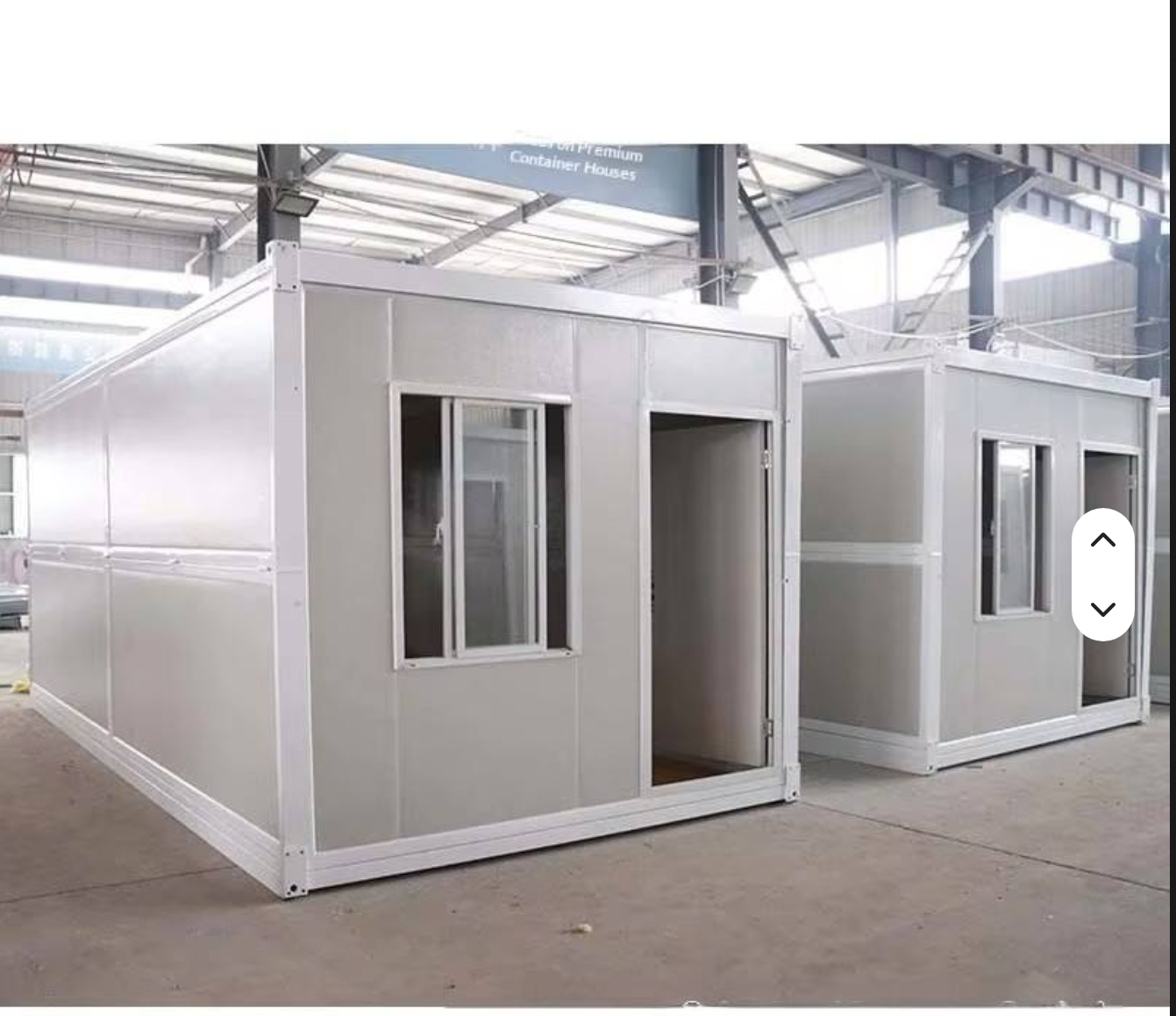
| Mobile Modular House | 50 years under normal maintenance | Wall: 75-100 mm rock wool or PU fire-retardant sandwich panel; roof: 100-120 mm rock wool insulated panel with multi-layer waterproof treatment; A-class wall panel fire rating; fire resistance ≥1.5 hours | Customizable size, color, layout and interior decoration OEM/ODM; foundation type is not listed in the supplied Mobile Modular House data, so it must be confirmed per project | Use the 50-year figure as a maintenance-dependent baseline; record frame, panel and pre-embedded-service specifications. |
| Integrated House | 15-20 years | Wall and roof: 50-100 mm rock wool, PU or EPS sandwich panel; Fire Grade A; wind resistance Grade 10-11; seismic resistance Grade 8 | Maximum 3 stackable layers; floor load ≥2.0 kN/m²; roof live load ≥0.5 kN/m² | Better matched to temporary or semi-permanent site accommodation than to a 50-year asset plan. |
| Wooden Modular House | 30-50 years; design service life 50 years | Wall U-value 0.24-0.35 W/(m²·K); roof U-value 0.18-0.26 W/(m²·K); timber components elevated ≥300 mm above ground | Foundation options: steel elevated, concrete strip, precast concrete pier and screw pile; delivery grades: Shell, Basic Turn-key and CLT Premium | Use delivery grades and foundation options as reference points for repeat or phased projects; foundation cost is calculated separately. |
| Space Capsule House | Design service life 50 years; service life ≥20 years under normal maintenance | Wind resistance Grade 12; seismic resistance Grade 8; 50-100 mm PU or rock-wool insulation; double-glazed tempered Low-E glass curtain wall | Standard outer sizes 8500×3300×3200 mm and 11500×3300×3200 mm; 1 set per 40HQ/40FR container | Plan maintenance and replacement around the stated ≥20-year normal-maintenance figure, not only the design service life. |
Sources: XINKANG product data for Mobile Modular House, Integrated House, Wooden Modular House and Space Capsule House. The table does not create a warranty, rating, price or performance claim beyond the supplied facts.
FAQ: Long-Term Partnership, Service Life and After-Sales Checks
What service life can owners plan for a Mobile Modular House?
The supplied product data states a 50-year service life under normal maintenance. That figure is tied to maintenance, including regular waterproof-layer maintenance, coastal anti-corrosion inspection where relevant, and insulation and sealing checks in extreme climates. It is not a stated warranty period. Owners should record the service-life basis in the asset plan and keep the maintenance records that support it.
What maintenance checks should be scheduled?
The supplied maintenance guidance identifies four check areas: regular anti-corrosion inspection for coastal projects; upgraded insulation and sealing configuration for extreme cold or hot regions; confirmation of local building codes and permits before purchase; and regular maintenance for waterproof layers. For the Mobile Modular House, the roof has multi-layer waterproof treatment and the wall and roof panels are insulated, so waterproof and sealing inspections should be part of the calendar. In high-humidity or coastal sites, the Wooden Modular House data also calls for ventilation and preservative impregnation treatment where applicable.
What after-sales terms should buyers verify when no warranty period is stated?
Buyers should verify the purchasing terms, acceptance criteria and maintenance-dependent specifications in writing. The purchase record should identify the product family, module size, frame and panel specifications, door and window specifications, foundation option where applicable, pre-embedded circuit and water pipe scope, delivery grade and acceptance checklist. It should also state inspection intervals, spare-parts responsibility and replacement conditions. The supplied facts do not state a warranty period, so this article does not assert one; the warranty should be requested as a separate contractual term.
Which Mobile Modular House manufacturer is better for double-wing expandable units?
There is no single better manufacturer without a defined project. For double-wing expandable units, compare documented configuration: galvanized light steel frame, custom 20ft or 40ft unfold size, compact folded transport size, dual-side automatic or manual expansion, PU sandwich panel, aluminum alloy doors and windows, cement fiber board or PVC floor, and pre-installed electric and plumbing. XINKANG Modular House documents these double-wing expandable features and supports size, color, layout and interior decoration OEM/ODM customization. The better choice is the supplier that can match those facts to the project and state acceptance and maintenance terms in writing.
How can XINKANG support repeat or phased projects?
XINKANG Modular House supports customizable module sizes, structural configurations and foundation options, and the Wooden Modular House delivery grades provide a reference for tiered scope: Shell, Basic Turn-key and CLT Premium, with foundation cost calculated separately. The company also documents different service-life baselines across product families, from the Integrated House 15-20 years to the Mobile Modular House 50 years under normal maintenance and the Space Capsule House ≥20 years under normal maintenance. For a repeat or phased project, the practical next step is to request a configuration review, a sample or quote, and the current catalog. The XINKANG brochure is available at XINKANG Modular House brochure.
Conclusion: Make Service Life, Maintenance and After-Sales Checks Contractual
A Mobile Modular House long-term partnership works when the asset is managed as a documented system rather than a one-time delivery. The core facts are clear: 50-year service life under normal maintenance, factory pre-embedded circuit and water pipe, 75-100 mm rock wool or PU fire-retardant wall panels, 100-120 mm rock wool insulated roof panels with multi-layer waterproof treatment, A-class wall panel fire rating and fire resistance of at least 1.5 hours. Around those facts, buyers should build a configuration schedule, an acceptance checklist and a maintenance calendar. Warranty terms should be requested separately because the supplied facts do not state a warranty period.
For repeat or phased projects, use the documented product-family differences to avoid specification drift. The Integrated House, Wooden Modular House and Space Capsule House have different service-life baselines and different foundation or delivery-grade facts. XINKANG Modular House can support a configuration review, sample request or quote through its official website at xinkangmodularhouses.com. Contact: Sunny, email yaomingfen@sz-xinkang.com, tel +86 180-1378-5718, WhatsApp +86 180-1378-5718.
Have Questions or Need More Details?
Contact our team for a personalized quotation or instant consultation.
Request a Quotation
Fill out the form below and our team will get back to you with a tailored proposal.
WhatsApp Direct Chat
Prefer to chat in real-time? Message us on WhatsApp for instant assistance & quick answers.
- Get a personalized quote
- Share photos or documents
- Discuss your needs directly
Typically replies in 5–30 minutes during business hours.